
Is There a Spanish-Speaking Criminal Defense Lawyer in New City, NY?
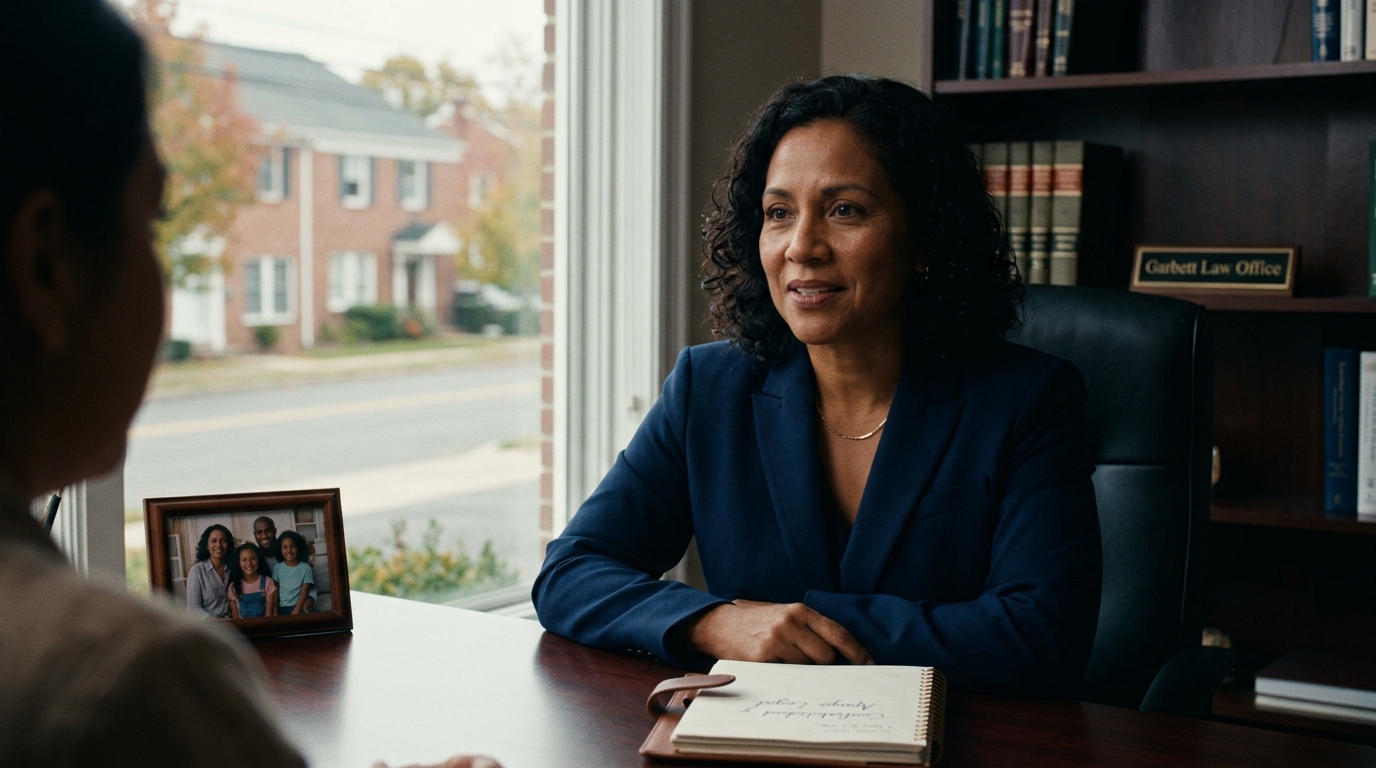
Yes, Garbett Law Office in New City, NY, provides Spanish-speaking criminal defense representation. Attorney Yvonne Garbett offers bilingual services to clients facing charges in Rockland and Orange County. This guide covers how to choose, verify, and work with a bilingual attorney effectively.
How to Choose a Bilingual Criminal Defense Attorney
Choosing the right attorney requires looking beyond language fluency. A bilingual lawyer is one who can conduct legal proceedings in a language other than English. You need someone who understands the legal nuances in both languages. Yvonne Garbett has over 22 years of experience in New York courts. She began her career as an Assistant District Attorney. This background helps her anticipate prosecution strategies. Look for an attorney who is comfortable in the specific local courts where your case will be heard.
Experience in Local Courts
Local knowledge is a critical differentiator. Attorneys who appear regularly in Rockland County courts understand the judges and prosecutors. They know the specific procedures and timelines. This familiarity can speed up the process. It can also influence how negotiations are conducted. An attorney who is new to the area may struggle with these nuances.
Language Proficiency in Legal Contexts
General Spanish fluency is not the same as legal proficiency. Legal Spanish involves specific terminology and formal structures. The attorney must be able to explain complex legal concepts clearly. They must also be able to interpret police reports and court documents accurately. Ask about their specific experience with Spanish-speaking clients in criminal cases.
What to Ask Before Committing
During your initial consultation, ask specific questions to assess fit. Do not just ask if they speak Spanish. Ask how they handle language barriers in the courtroom. Ask about their experience with your specific type of charge. Ask how they communicate with clients who prefer Spanish. These questions reveal the depth of their bilingual capability.
Key Questions for the Consultation
- How many Spanish-speaking clients have you represented in the last year?
- Do you have a Spanish-speaking paralegal or interpreter available?
- How do you ensure I understand all legal documents?
- What is your experience in the specific court where my case is filed?
Communication Style
Assess how the attorney communicates during the meeting. Do they speak clearly and patiently? Do they check for understanding? A good bilingual attorney will make you feel comfortable. They will not rush through explanations. They will ensure you grasp the stakes of your case.
How to Verify Credentials and Claims
Always verify the credentials of any attorney you consider. Check the New York State Unified Court System website. Look for the attorney's name in the attorney directory. Confirm they are in good standing. Verify their bar admission date. Check for any disciplinary actions. This step ensures the attorney is licensed and reputable.
Checking the Bar Association
The New York State Bar Association maintains a public directory. You can search for attorneys by name and location. This directory confirms their active status. It also shows their practice areas. If an attorney claims a specific certification, verify it through the relevant board. Do not rely solely on marketing materials.
Reviewing Court Records
Court records are public in many cases. You can search for the attorney's name in local court databases. This shows their recent cases and outcomes. It gives you a sense of their activity level. It also shows the types of cases they handle. This is a practical way to verify their experience.
How the Process Works
Working with a criminal defense attorney follows a structured process. It begins with an initial consultation. This is where you discuss your case and ask questions. Next, you sign a retainer agreement. This outlines the fees and scope of representation. The attorney then begins investigating the case. They review police reports and evidence. They file motions and negotiate with the prosecutor. The process ends with a plea deal or trial.
Initial Consultation and Retainer
The first meeting is crucial. It sets the tone for the relationship. You will discuss the facts of your case. The attorney will explain the legal options. You will sign a retainer agreement. This agreement details the fees and what is included. Make sure you understand every clause before signing.
Investigation and Negotiation
After hiring, the attorney investigates the case. They may interview witnesses and review evidence. They file motions to suppress evidence if applicable. They negotiate with the prosecutor for a plea deal. This phase can take weeks or months. The attorney keeps you informed of developments. They advise you on the best course of action.
What It Costs
Criminal defense fees vary based on several factors. The complexity of the case is a major driver. Felony cases cost more than misdemeanors. The amount of time required also affects the price. An attorney who spends hours investigating and negotiating will charge more. The location of the court can also play a role. Some areas have higher rates than others.
Fee Structures
| Fee Type | Description | Typical Use |
|---|---|---|
| Flat Fee | Fixed price for the entire case | Simple misdemeanors |
| Hourly Rate | Charged per hour of work | Complex felonies |
| Retainer | Upfront deposit for services | Most criminal cases |
Ask for a written fee agreement. It should detail how you will be billed. It should explain what happens if the case goes to trial. It should state how the retainer is applied. Be wary of attorneys who do not provide clear fee structures.
What Goes Wrong
Common mistakes include hiring an attorney without verifying their credentials. Another mistake is not communicating clearly about your case. Failing to provide all relevant information can hurt your defense. Ignoring court dates is also a serious error. It can lead to a bench warrant. These mistakes can be avoided with careful preparation and clear communication.
Communication Breakdowns
Language barriers can lead to misunderstandings. If you do not fully understand a legal document, ask for clarification. Do not assume the attorney will explain everything. Take notes during meetings. Follow up in writing if needed. Clear communication is essential for a successful defense.
Missing Deadlines
Criminal cases have strict deadlines. Missing a deadline can have severe consequences. It can result in the dismissal of your case or a default judgment. Work with your attorney to track all deadlines. Set reminders for court dates and filing deadlines. Your attorney should also keep you informed of upcoming deadlines.
Versus Alternatives
Public Defender vs. Private Attorney
Self-Representation
Representing yourself in a criminal case is risky. You are not familiar with legal procedures and rules of evidence. You may make mistakes that hurt your case. It is also difficult to be objective about your own situation. A trained attorney can provide the objectivity and expertise you need. They can protect your rights and build a strong defense.
For a Specific Situation
The best attorney for your case depends on the specific charges. If you are facing a DWI charge, look for an attorney with DWI experience. If you are facing drug charges, look for an attorney with drug case experience. Garbett Law Office handles a wide range of criminal cases. They have experience with DWI, drug possession, assault, and more. They can provide the specialized expertise your case requires.
DWI Cases
DWI cases involve specific legal issues. These include breathalyzer accuracy and field sobriety tests. An experienced DWI attorney knows how to challenge these issues. They can also negotiate for reduced charges or penalties. They understand the local courts and judges. This expertise can make a significant difference in your outcome.
Drug Possession Cases
Drug possession cases involve issues of search and seizure. An attorney must know how to challenge illegal searches. They must also understand the specific drug laws in New York. They can negotiate for diversion programs or reduced charges. They can also protect your rights during the investigation. This specialized knowledge is crucial for a successful defense.
Rules and Protections
You have certain rights as a criminal defendant. These include the right to an attorney and the right to remain silent. You also have the right to a fair trial. These rights are protected by the Constitution. An attorney can help you understand and exercise these rights. They can ensure that the police and prosecutors follow the rules. They can protect you from self-incrimination.
Right to an Interpreter
You have the right to an interpreter if you do not speak English. This right is guaranteed by the Constitution. The court must provide an interpreter for all proceedings. This includes arraignments, hearings, and trials. The interpreter must be qualified and impartial. You can also hire your own interpreter if you prefer. This ensures you fully understand the proceedings.
Right to Remain Silent
You have the right to remain silent. You do not have to answer questions from the police. You do not have to make a statement. Anything you say can be used against you in court. It is best to remain silent and speak only with your attorney. Your attorney can advise you on what to say and when to say it.
Local Specifics in New City and Rockland County
New City is the county seat of Rockland County. It is home to the Rockland County Courthouse. This is where many criminal cases are heard. The courthouse is located at 1 South Main Street. It is a busy facility with multiple courtrooms. The local courts have specific procedures and rules. An attorney who is familiar with these courts can navigate them more effectively. They know the judges and prosecutors. They understand the local legal culture.
The Rockland County Courthouse
The Rockland County Courthouse is a central hub for criminal cases. It handles arraignments, hearings, and trials. It is a large and complex facility. Navigating it can be challenging for a defendant. An attorney who is familiar with the courthouse can guide you through the process. They know where to go and what to expect. They can help you avoid mistakes and delays.
Local Legal Culture
Every court has its own culture and practices. The Rockland County courts have specific expectations. Judges have different styles and preferences. Prosecutors have different approaches. An attorney who is familiar with the local legal culture can adapt their strategy accordingly. They can anticipate the court's reactions. They can negotiate more effectively. This local knowledge is a valuable asset.
Timing and How It Changes Outcomes
Timing is critical in criminal cases. The sooner you hire an attorney, the better. Early intervention can prevent mistakes. It can also allow the attorney to investigate the case thoroughly. It can give them time to build a strong defense. Delaying can hurt your case. It can limit your options. It can also increase your stress. Act quickly to protect your rights.
Early Intervention
Hiring an attorney early allows them to get involved in the investigation. They can review the evidence and identify weaknesses. They can file motions to suppress evidence. They can negotiate with the prosecutor before charges are filed. This early involvement can significantly improve your outcome. It can also reduce the stress and uncertainty of the process.
Deadlines and Consequences
Criminal cases have strict deadlines. Missing a deadline can have severe consequences. It can result in the dismissal of your case or a default judgment. It can also limit your legal options. Work with your attorney to track all deadlines. Set reminders for court dates and filing deadlines. Your attorney should also keep you informed of upcoming deadlines. Acting promptly is essential for a successful defense.
Results Over Time
Measurable Outcomes
Measurable outcomes include the type of charge, the sentence, and the impact on your record. A reduced charge can mean a shorter sentence. A dismissal can mean no criminal record. An acquittal can mean a complete victory. These outcomes are the goal of a criminal defense attorney. They work to achieve the best possible result for their clients. They measure success by the outcomes they achieve.
Long-Term Impact
A criminal conviction can have long-term consequences. It can affect your employment, housing, and professional licenses. It can also affect your personal relationships. A favorable outcome can protect your future. It can allow you to move on with your life. An experienced attorney understands the long-term impact of a conviction. They work to minimize this impact. They help you protect your future.
Key Takeaways
- Yes, Garbett Law Office in New City, NY, offers Spanish-speaking criminal defense.
- Choose an attorney with experience in local courts and legal Spanish.
- Verify credentials through the New York State Bar Association.
- Ask specific questions about their bilingual experience and communication style.
- Understand the fee structure and sign a written agreement.
- Avoid common mistakes like poor communication and missing deadlines.
- Act quickly to protect your rights and improve your outcome.
Frequently Asked Questions
Does Yvonne Garbett speak Spanish?
Yes, Yvonne Garbett offers Spanish-language services to her clients. She is comfortable conducting legal proceedings in Spanish. She can explain complex legal concepts in both English and Spanish. This ensures that Spanish-speaking clients fully understand their case.
How much does a criminal defense attorney cost in New City?
Costs vary based on the complexity of the case. Misdemeanor cases may have a flat fee. Felony cases may be charged hourly or with a retainer. Ask for a written fee agreement. It should detail how you will be billed and what is included.
Can I use a public defender if I cannot afford a private attorney?
Yes, you can request a public defender if you cannot afford a private attorney. Public defenders are qualified lawyers, but they often have heavy caseloads. A private attorney may offer more personalized attention and time for your case.
What should I bring to my initial consultation?
Bring any documents related to your case. This includes police reports, court papers, and any other relevant information. Bring a list of questions you want to ask. This will help you make the most of your consultation.
How long does a criminal case take?
The length of a criminal case varies. Simple misdemeanors may be resolved in a few months. Complex felonies can take a year or more. The timeline depends on the court's schedule and the complexity of the case. Your attorney can give you a better estimate.
Do I have the right to an interpreter in court?
Yes, you have the right to an interpreter if you do not speak English. The court must provide an interpreter for all proceedings. This ensures you understand the legal process and can participate effectively.
What is the difference between a misdemeanor and a felony?
A misdemeanor is a less serious crime, punishable by up to one year in jail. A felony is a more serious crime, punishable by more than one year in prison. The classification affects the penalties and the court where the case is heard.
How can I verify an attorney's credentials?
You can verify an attorney's credentials through the New York State Bar Association website. You can also check court records for their recent cases. This ensures the attorney is licensed and reputable.
Conclusion
Finding a Spanish-speaking criminal defense lawyer in New City, NY, is possible. Garbett Law Office provides bilingual representation with extensive local experience. They can help you navigate the legal system and protect your rights. If you are facing criminal charges, contact them for a confidential consultation. They are available 24/7 and can assist you in Spanish.